 Skip to content
This includes excellent verbal and nonverbal communication, active listening, message clarity, and command over language. It is crucial to articulate thoughts and ideas and to read and understand others’ needs, making a leader empathetic and approachable. Public speaking, charisma, and the ability to present ideas with passion are skills that contribute to cultivating a strong presence. An example of a real-life leader who excelled in executive presence is Jane 3. Despite being an already high-performing executive, she improved her presence by focusing on refining her communication and feedback style.
For instance, someone might say health is their top priority but neglect exercise, or they may claim family is most important but rarely give loved ones undivided attention. Powerful wisdom exists in engaging in presence that makes us happy at the moment and sets us up to continue on the path of happiness in the future as well. Having the awareness to analyze what we are engaging in at that moment and how it benefits our lives going forward is a conscious approach to living a beautiful life. For example, let’s look at art as a profession and the goal setting that could go along with following this path. Like any skill, taking classes is beneficial for improvement. So, in this case, say you take a class to earn your MFA.
Why Presence Is More Powerful Than Words
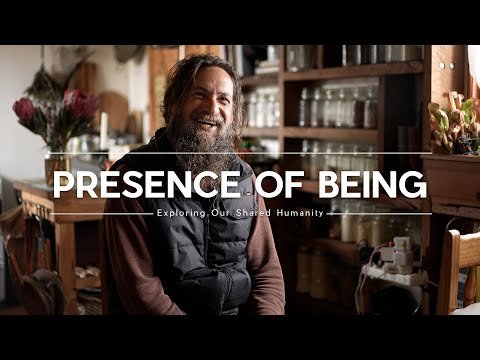
My words carried weight, not because I was shouting, but because they were grounded. It is one of the most underestimated aspects of confidence, and unlike the “fake it till you make it” approach, it does not require you to be someone you are not. Presence is about being grounded, steady, and fully in the moment. It is confidence that others feel before you even speak. We then discussed real priorities versus perceived ones. We explored the gap between what people claim to value and how they spend their time.
Focused Breathing
It also involves caring for your energy, showing gravitas through your actions, and staying true to who you are. When you bring these elements together, you display an executive presence that is clear, genuine, and influential—one that makes your leadership stand out in every interaction. Empathic presence incorporates the skill set of meeting and accepting people where they’re at emotionally. Asking respectful, open-ended questions helps leaders more fully understand and value others’ unique perspectives, experiences, psychological impact, and personal meanings. Empathy significantly reduces the likelihood of leaders making faulty assumptions and judgements, and promotes a culture of trust, engagement, commitment, and positive impact.
Body language elements like posture, eye contact, and nonverbal communication affect how others perceive a leader’s confidence and assertiveness. Maintaining appropriate gestures and facial expressions helps convey the message more effectively, thus contributing to a strong presence in the corporate setting. It has various characteristics, including interpersonal aptitude, good communication skills, empathy, and emotional intelligence. These attributes enable the leader to connect with their employees on a deeper level, understand their needs, and balance them with the needs of the business.
- She is a former lawyer and law firm professional development leader.
- It refers to the ability of a leader to engage, align, inspire, and move people to act, which is crucial for driving business results and achieving company goals.
- He learned where the wide-attention span serves him, and where he can adjust his strategy.
- Karen Gray ’81, an executive, career coach and leadership consultant, is on the faculty at the Fashion Institute of Technology in New York City.
It’s important to set aside the time to just allow yourself to be. But many of us are totally unpracticed at doing it, and frankly, even the thought of it may make us anxious. Presence is the foundation upon which we build trust, credibility, and meaningful relationships. Executive presence projects confidence, decisiveness, and charisma, inspiring trust and respect among teams, stakeholders, and clients. In a world where social media often creates superficial connections, genuine presence in social settings can set individuals apart. In an age dominated by digital means to connect, cultivating presence can lead to deeper, more meaningful connections.
The fact is you don’t have to wait for each January to roll around to stop and reflect on where you are in your life. You can do that at anytime, and perhaps beginning to think about it that way may be a useful tool for helping you access what you want to be and do in the future. Attend social events intending to form genuine connections rather than merely exchanging views and pleasantries. Being present means fully engaging with them, offering our undivided attention and togetherness, being there with them. When someone we care about is going through a rough time, our first instinct is often to fix it. We search for the right words to say, the best advice to give, or a way to lighten the mood.
Good leadership is ultimately about communication, and people with great executive presence are excellent communicators. Get feedback on your communication, and invest the time in building communication skills. You need to be an excellent communicator across every medium — in-person, written or virtually — and in every situation. In summary, executive presence is indispensable for those aspiring to make https://realreviews.io/reviews/asiatalks.com a mark in the corporate world.
And, perhaps most importantly, the more senior you become, the more executive presence is required, so everyone needs to continually focus on improving his or her executive presence. I have been thinking about what in-person presence means for leaders, teams, and culture. And when you experience setbacks, presence makes you more likely to maintain the risk-taking, proactive attitude we described earlier. In other words, even when you don’t get the outcome you hoped for, presence protects you from letting your fear and self-doubt control and define you. Instead, you’ll feel ready to try again with the knowledge that you’re capable and worthy of success. Simply put, because it’s a transformative practice that holds the key to reclaiming our peace of mind and finding fulfillment.
Furthermore, Sandberg has shown her dedication to networks such as Lean In, empowering women globally to achieve their lattermost aspirations. Her composure, ability to connect with her teams, and articulate speaking skills have made her a reliable and impactful leader. In conclusion, developing executive presence significantly impacts a leader’s success in the corporate world.
