 Skip to content
Understanding the Basics of Poker
To begin mastering poker, it’s crucial to grasp the fundamental rules and structure of the game. Poker is typically played with a standard deck of 52 cards, and the objective is to win chips by either having the best hand at showdown or convincing your opponents to fold. Familiarity with hand rankings—from a high card to a royal flush—is essential, as it will guide your decisions throughout the game. Many players also enjoy exploring options at an online casino real money nz where they can test their skills against others, knowing these rankings will not only empower you but also provide confidence in your strategic plays.
In addition to hand rankings, it is vital to understand the different forms of poker available. While Texas Hold’em is the most popular variant, games like Omaha, Seven Card Stud, and Five Card Draw offer different dynamics and strategies. Each variant has its own rules and nuances, which can significantly affect your approach to the game. As a beginner, it’s wise to start with one variant to avoid overwhelming yourself as you learn the core elements of poker.
Moreover, familiarizing yourself with poker terminology is equally important. Terms such as “bluffing,” “pot odds,” and “position” are commonly used and understanding them can enhance your gameplay. Position refers to where you sit at the table relative to the dealer, affecting your strategic choices. A good grasp of these terms will not only improve your communication with other players but also solidify your understanding of strategic concepts fundamental to winning at poker.
Developing a Solid Strategy
Once you’ve mastered the basics, the next step is to develop a winning strategy. A well-rounded strategy incorporates various elements such as playing tight-aggressive, understanding when to fold, and reading other players. The concept of playing tight-aggressive involves selective hand playing combined with assertive betting, allowing you to maximize your potential winnings while minimizing losses. This style typically leads to more favorable situations, particularly for beginners still honing their skills.
Moreover, adjusting your strategy based on the dynamics of the table is key. Pay attention to the playing styles of your opponents. Are they loose and aggressive, or tight and passive? Adapting your approach to exploit the weaknesses of other players can provide you with a significant edge. Being observant and flexible can turn even unfavorable situations into potential successes when executed correctly.

Additionally, managing your bankroll is an often-overlooked aspect of poker strategy. It is essential to set a budget and stick to it, ensuring that you don’t risk more than you can afford to lose. Implementing bankroll management practices helps maintain your longevity in the game and protects you from reckless decision-making when emotions run high. Remember, poker is as much about financial management as it is about skill and strategy.
Mastering the Art of Bluffing
Bluffing is often considered one of the most exciting yet challenging aspects of poker. When executed properly, it can lead to massive wins, but it requires a strong understanding of the game and your opponents. Knowing when to bluff is crucial; it’s most effective when you can convincingly represent a stronger hand than you hold. Pay attention to the table dynamics and ensure that the situation is conducive to bluffing, such as when the board shows potential for strong hands.
Additionally, successful bluffing depends on your ability to read other players. Recognizing their tendencies can provide insights into whether they are likely to call your bet or fold. If an opponent has shown strength through previous bets, bluffing against them may not be effective. Instead, target players who are more likely to fold, and always maintain a calm demeanor to avoid giving away your intentions.
Keep in mind that while bluffing is a valuable tool, overusing it can lead to disastrous results. Developing a healthy balance between aggressive plays and conservative ones is essential. Consistently bluffing can cause your opponents to call your bets more frequently, ultimately diminishing your success. As a beginner, focus on mastering your hand selection before fully diving into the art of bluffing, gradually integrating it into your strategy as you become more comfortable.
Practicing and Learning from Experience
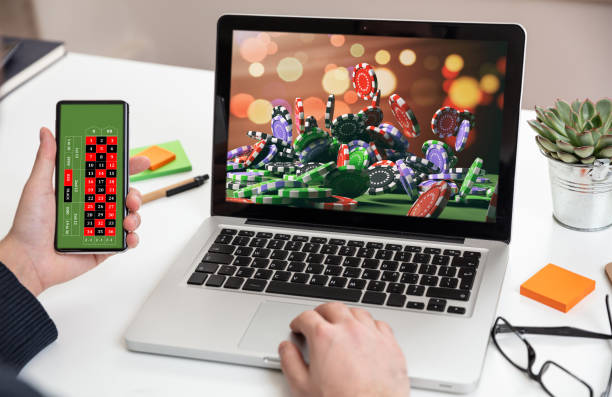
Practice is paramount in mastering poker. The more you play, the better you will understand the nuances of the game, the strategies to employ, and how to manage your emotions during play. Many online platforms offer free poker games where beginners can practice without risking real money. This allows you to experiment with different strategies and tactics, gaining valuable experience that can enhance your skills over time.
Moreover, reviewing your play is a crucial aspect of improvement. After each session, take some time to reflect on your decisions, both good and bad. Analyze hands where you lost significant chips or felt uncertain about your decisions. Understanding what went wrong and learning from your mistakes will accelerate your growth as a poker player. Keeping a journal of your play can also help track your progress and identify patterns in your gameplay.
Finally, consider watching poker tutorials and professional matches. Observing experienced players can provide insights into advanced strategies and techniques that you might not have encountered in your practice sessions. Analyze their decision-making processes, their approach to different opponents, and their betting patterns. This observation can significantly enrich your understanding and inspire new tactics you can incorporate into your own play.
Join a Community for Continued Growth
Engaging with a community of poker enthusiasts can greatly enhance your learning experience. Whether online or in-person, discussing strategies and sharing experiences with fellow players can provide valuable insights and support. Many online forums and social media groups focus on poker, allowing you to interact with seasoned players who can share their tips and advice. Participating in discussions will keep you updated with the latest trends and strategies in the game.
Additionally, participating in local poker events or tournaments can provide an excellent environment for practical learning. These events typically feature a blend of experienced players and beginners, offering a chance to observe and adapt to various styles of play. While competition may be fierce, it’s an opportunity to apply your skills in a real-world setting, improving your ability to think on your feet and make quick decisions.
Lastly, remember that poker is a continuously evolving game. As you grow as a player, stay open to new learning opportunities and approaches. Embrace the challenge of refining your skills over time, and recognize that even advanced players are constantly learning. Joining a community will not only expand your network but also foster an environment of collective improvement and shared enthusiasm for poker.
